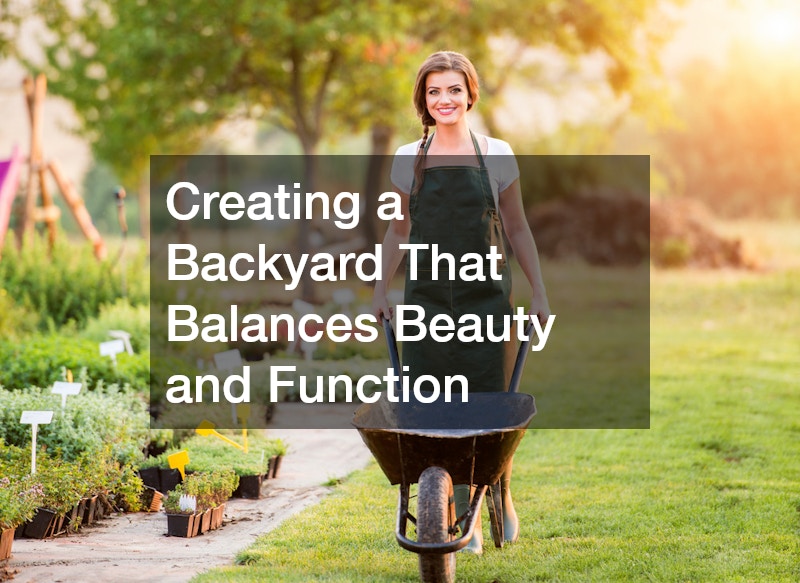
A well-designed backyard should do more than look appealing from a distance. It should support daily routines, offer comfort, and make outdoor time feel easy rather than like another project to manage. Many homeowners start with a vision of beauty, but quickly realize that function matters just as much once real life enters the picture.
The strongest outdoor spaces are the ones where movement feels natural, maintenance stays manageable, and each element serves a purpose. That balance does not happen by accident. It comes from thoughtful planning, smart coordination, and choosing the right materials and systems from the start.
You will see how different parts of an outdoor space work together to create that balance. From layout planning to water use, from structural elements to finishing details, each section focuses on practical ways to build a yard that looks good and works even better.
Shaping the Foundation of Outdoor Layout
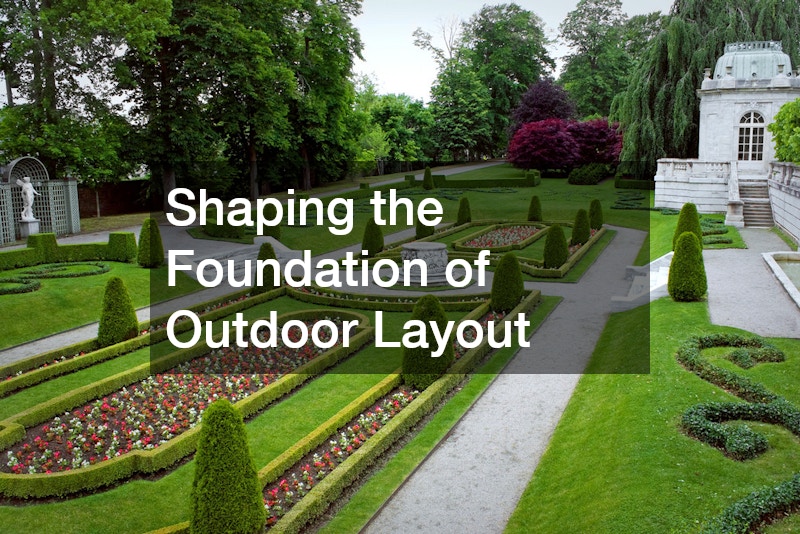
A strong backyard design begins with layout planning. This stage sets the direction for everything that follows, including flow, spacing, and how each area connects. A well-prepared plan helps avoid wasted space and awkward transitions.
A landscape designer plays a key role here by translating ideas into structured layouts that match how you actually live outdoors. Instead of focusing only on appearance, they consider movement patterns, seating zones, shade placement, and usability across seasons.
Good layout planning often includes:
- Defining entertainment and quiet zones
- Creating clear walking paths
- Positioning focal points like gardens or seating areas
- Planning sun and shade balance throughout the day
When this foundation is done well, the rest of the project becomes easier to execute and more cohesive in the end.
Coordinating Structural Outdoor Development
Once the layout is set, physical construction brings the plan to life. This stage often requires coordination between multiple skilled professionals who handle grading, building, and installation work.
Hardscaping contractors focus on structural features like patios, walkways, and retaining walls. A landscape contractor ensures all outdoor elements align with the overall plan and function as one system rather than separate pieces.
Key considerations include:
- Aligning construction timing between teams
- Ensuring proper drainage and elevation
- Keeping transitions between materials smooth
- Maintaining design consistency across features
When execution is well-managed, the backyard begins to feel intentional instead of pieced together.
Managing Water Flow and Efficiency
Water management is one of the most overlooked parts of backyard design, yet it directly impacts maintenance and plant health. Without proper planning, even a beautiful yard can develop dry zones or oversaturated areas.
A lawn irrigation company designs systems that distribute water evenly and efficiently. These systems reduce waste and support healthier landscaping over time.
Effective irrigation planning includes:
- Zoned watering for different plant needs
- Automated scheduling for consistency
- Seasonal adjustments for climate changes
- Coverage that prevents runoff or dry patches
When water flow is controlled properly, upkeep becomes easier, and plant life stays more stable.
Supporting Healthy Outdoor Green Spaces
A balanced backyard depends heavily on how well its green areas are maintained. Lawns often shape the first impression of a space, making consistency important.
A lawn care company handles mowing, fertilization, and seasonal treatments that keep turf strong and visually even. This reduces long-term issues and supports overall yard health.
Key practices include:
- Regular mowing at the proper height
- Soil enrichment and fertilization
- Weed and pest control
- Seasonal aeration and reseeding
Healthy grass helps unify the design and softens the harder structural elements around it.
Integrating Water Features for Outdoor Living
Water features can elevate a backyard experience when planned with intention. Pools in particular need careful placement to support movement and usability.
A local custom pool builder designs pools that fit naturally into the space instead of overpowering it. Shape, depth, and surrounding layout all influence how the pool integrates into daily life.
Important considerations:
- Safe and clear access points
- Visual connection to seating and dining areas
- Proper equipment placement
- Balanced open space around the feature
When done well, water features become a natural extension of the outdoor environment.
Managing Soil and Water Balance in Landscaping
Healthy landscapes depend on how water moves through soil. Poor balance can lead to erosion or weak plant growth.
A lawn irrigation company helps refine underground water distribution to match soil absorption rates and plant needs. This improves consistency across the entire yard.
Key strategies include:
- Matching zones to plant density
- Adjusting flow for slope areas
- Monitoring soil absorption rates
- Seasonal recalibration for temperature shifts
This balance helps maintain long-term plant stability.
Choosing Durable Outdoor Surface Elements
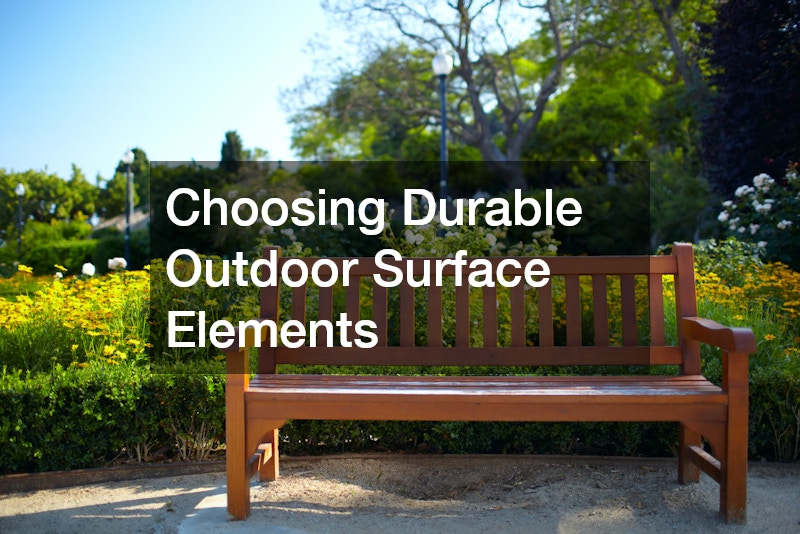
Surface selection affects both appearance and long-term performance. The right choice supports durability while matching the overall design style.
Selecting the right hardscape material depends on climate, traffic levels, and maintenance expectations.
Important factors include:
- Resistance to cracking and wear
- Heat retention in sunny areas
- Slip resistance for safety
- Ease of cleaning and upkeep
Well-chosen surfaces keep outdoor areas functional and visually consistent.
Defining Outdoor Boundaries and Structure
Boundaries provide structure, privacy, and safety. Without them, outdoor spaces can feel incomplete or exposed.
A fence installer handles physical installation, while a fence contractor oversees planning and execution. Both roles help ensure proper alignment with the overall design.
Key benefits include:
- Clear property definition
- Increased privacy
- Improved safety for pets and children
- Strong visual framing of the yard
When boundaries are integrated properly, they enhance both function and comfort.
Working with Local Support Networks
Outdoor projects often require collaboration between multiple service providers. Coordination helps keep timelines and expectations aligned.
A local fence company can support broader outdoor planning efforts by ensuring boundary systems align with landscaping and structural work.
Benefits of coordination include:
- Reduced delays between project phases
- Better alignment across installations
- Improved material consistency
- Smoother project flow
Strong communication between teams keeps the entire yard cohesive.
Enhancing Outdoor Experience With Lighting
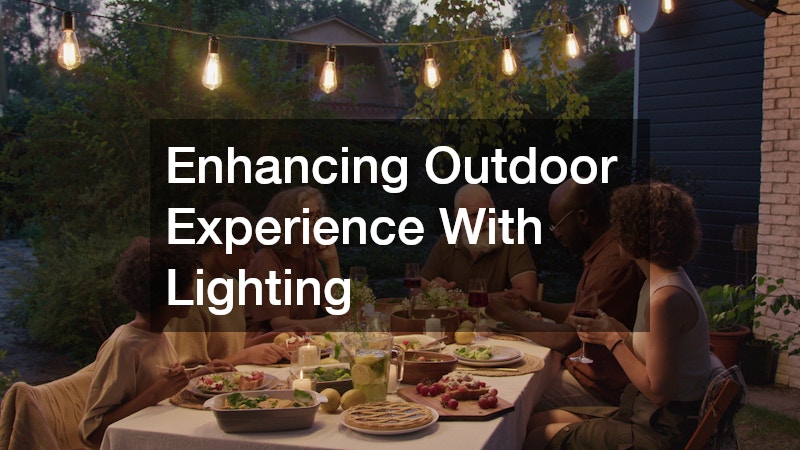
Lighting changes how a backyard feels once the sun goes down, playing a significant role in enhancing safety while also shaping mood and usability. Thoughtfully designed lighting can create a welcoming atmosphere that invites people to enjoy the outdoor space long after sunset.
Well-placed lighting highlights important features such as pathways, seating areas, and architectural details, ensuring that guests can navigate the space safely and comfortably. For instance, soft pathway illumination not only guides visitors but also adds an inviting touch, encouraging exploration and making the backyard feel more expansive.
Accent lighting can be strategically used to draw attention to focal points like a beautiful tree, a garden sculpture, or a water feature, transforming them into stunning visual elements that enhance the overall ambiance. Using warm tones in seating areas fosters a cozy and intimate setting, making it an ideal spot for relaxation or social gatherings under the stars.
Additionally, employing a layered lighting approach creates depth and balance in the space. By combining various light sources—such as ambient, task, and decorative lighting—you can achieve a dynamic and visually interesting environment. This technique helps to reduce harsh contrasts and creates a soothing atmosphere that is perfect for evening activities.
Overall, good lighting brings structure and warmth to nighttime outdoor living, allowing you to enjoy your backyard in a whole new light. By carefully considering how to illuminate each area, you can create an enchanting environment that feels both safe and inviting.
Creating Long-Term Outdoor Usability
A backyard should remain practical over time, not just during the first season after installation. Long-term usability depends on how well systems are maintained and adjusted.
This includes reviewing irrigation schedules, refreshing plant selections, and updating worn materials when needed. Regular attention prevents small issues from becoming larger repairs.
Helpful maintenance habits include:
- Seasonal inspections of key systems
- Updating plantings as conditions change
- Cleaning and sealing surfaces
- Monitoring drainage and soil health
Consistency keeps the space functional year after year.
Expanding Outdoor Living Zones
Outdoor spaces become more valuable when they support multiple uses. Creating distinct zones helps the yard serve different needs without feeling crowded.
These zones might include dining areas, quiet seating corners, or open recreational space. Each area should feel connected but still serve its own purpose.
Strong zoning practices include:
- Clear transitions between areas
- Consistent design language
- Balanced spacing between features
- Flexible seating arrangements
When zones are well planned, the yard feels more usable and comfortable.
Improving Comfort Through Seasonal Adaptation
Outdoor spaces shift in how they are used throughout the year. A yard that works well in summer may need adjustments during colder or wetter months. Planning for these changes improves long-term comfort.
Simple adjustments can make a large difference in usability. Shade structures, wind protection, and seasonal plant rotations all help maintain balance across changing conditions.
Helpful seasonal improvements include:
- Adding retractable shade solutions for warmer months
- Using wind barriers for colder seasons
- Rotating plant selections based on climate cycles
- Adjusting seating arrangements for comfort
When seasonal changes are accounted for, the space remains practical throughout the year instead of being limited to one season.
Designing for Outdoor Social Flow
A backyard should support natural interaction among its users, creating an inviting atmosphere that encourages socializing and connection. When people gather outdoors, the design must facilitate easy and unforced movement between different spaces. If the layout is poorly executed, even a large yard can feel cramped and restrictive, hindering the experience.
Designing for social flow involves careful consideration of how groups move, sit, and interact within the space. It’s essential to avoid unnecessary barriers that disrupt the flow between various functional areas. For instance, creating open pathways between seating arrangements and activity zones allows guests to flow freely, making transitions from one area to another feel seamless.
Incorporating flexible seating options that can be rearranged helps accommodate different group sizes and configurations, promoting spontaneous gatherings and conversations. This flexibility ensures that the outdoor space adapts to the needs of its users, whether it’s an intimate chat or a larger celebration.
Central gathering points that feel accessible can serve as focal areas where people naturally come together. These spots should be designed to attract attention and invite people to linger, perhaps featuring comfortable seating options or interesting elements such as fire pits or water features.
Additionally, designing for clear sightlines across key areas allows for visual connection among guests. When people can easily see and engage with one another, the atmosphere becomes more relaxed and inviting. This thoughtful arrangement encourages interaction and strengthens social ties.
Overall, when movement within a backyard feels natural and unforced, gatherings become more comfortable and enjoyable, fostering a sense of community and connection among friends and family.
Long-Term Planning and Future Flexibility
Outdoor spaces should be built with change in mind. Needs shift over time, whether due to family growth, lifestyle changes, or maintenance preferences.
Planning for flexibility reduces the need for major redesigns later. It also helps protect the investment made in the space.
Smart long-term planning includes:
- Leaving room for future additions
- Choosing adaptable materials and layouts
- Designing systems that can scale or adjust
- Avoiding overly rigid design structures
A flexible layout keeps the space useful even as priorities change.
Creating a Harmonious Backyard: The Perfect Balance of Beauty and Function
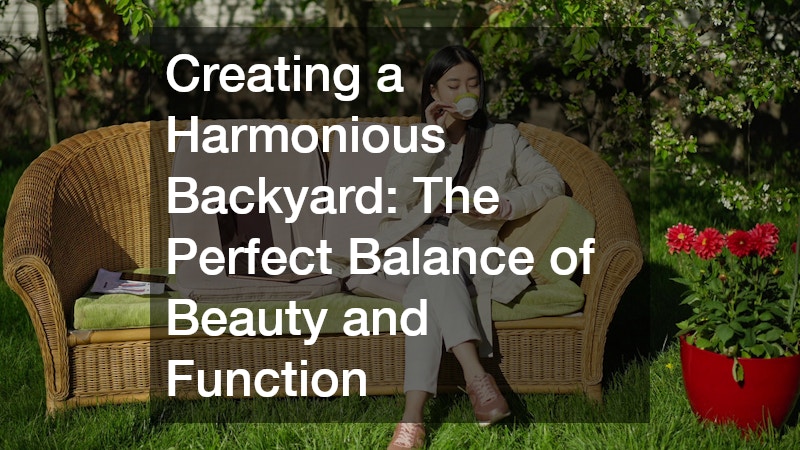
A backyard that balances beauty and function is built through steady planning and thoughtful coordination. Every element plays a role, from structure and planting to flow and long-term adaptability.
When systems are designed to work together, the space becomes easier to maintain and more enjoyable to use. The strongest outdoor environments are not defined by complexity, but by how naturally everything fits into daily life.
A well-balanced yard supports comfort, usability, and lasting visual appeal without demanding constant adjustment.
In addition to the harmonious integration of elements, a successful backyard design often emphasizes sustainability and ecological health. Incorporating native plants, efficient irrigation systems, and permeable surfaces can significantly reduce maintenance while enhancing biodiversity. These choices not only create a vibrant habitat for local wildlife but also foster a deep connection to the natural surroundings, encouraging relaxation and recreation. By prioritizing environmentally-friendly practices, the space can evolve into a sanctuary that thrives with minimal intervention, showcasing the beauty of nature while serving the needs of its inhabitants.