Homeownership comes with a long list of responsibilities, many of which are easy to overlook when everything seems to be working just fine. Small problems rarely announce themselves loudly. Instead, they show up as minor inconveniences, a faint draft near a window, a slow drain, a hairline crack, or a door that no longer closes as smoothly as it once did. Over time, these small warning signs can quietly develop into expensive repairs that disrupt daily life and strain budgets.
Scheduling home improvement services proactively is one of the most effective ways to protect both your property and your peace of mind. Routine evaluations, seasonal upgrades, and early repairs can extend the lifespan of major systems, maintain property value, and help avoid emergency situations that cost far more than planned maintenance. This approach also gives homeowners greater control over timelines, contractor availability, and overall project scope.
This guide walks through the key home improvement services worth scheduling before minor issues escalate. We’ll explore why early action matters, how problems tend to compound over time, and which areas of the home deserve consistent attention. By understanding where small concerns typically start, you can make smarter decisions that keep your home comfortable, functional, and financially sound for years to come.

Why Small Home Issues Rarely Stay Small
Most serious home repairs begin as manageable problems. A small roof leak might seem harmless at first, but moisture can spread into insulation, framing, and drywall before visible damage appears. Likewise, subtle foundation shifts may only show up as uneven floors or tiny cracks, yet those signs often point to deeper structural movement.
One reason these issues grow is that homes operate as interconnected systems. When one component fails, it often places stress on surrounding materials. For example, poor drainage can affect landscaping, foundations, and siding all at once. Similarly, neglected exterior finishes may expose wood to moisture, which then invites rot or insect activity.
Another factor is time. Seasonal weather changes, temperature fluctuations, and daily wear all accelerate deterioration when early repairs are postponed. What could have been addressed with a simple service visit may eventually require extensive labor, permits, and replacement materials.
By scheduling targeted services early, homeowners reduce the risk of cascading failures. Proactive maintenance is not about constant renovations. It is about recognizing vulnerabilities and addressing them before they expand beyond control.
The Value of Preventive Home Improvement Planning
Preventive home improvement focuses on long-term performance rather than short-term fixes. It prioritizes evaluation, timing, and consistency over reaction. This approach offers practical and financial advantages.
First, it improves cost predictability. Planned services are typically more affordable than emergency repairs and allow homeowners to compare options without pressure. Second, it minimizes disruption. When repairs are scheduled in advance, they are easier to coordinate around work, family obligations, and seasonal considerations.
Preventive planning also supports resale value. Homes with documented upkeep histories tend to attract more confident buyers. Inspection reports often highlight deferred maintenance, and addressing those issues early strengthens your negotiating position if you sell.
Perhaps most importantly, early action reduces stress. There is a significant difference between calmly scheduling a service appointment and dealing with a sudden failure that demands immediate attention. Preventive care keeps homeowners in control rather than in crisis mode.
Windows and Doors: Addressing Efficiency Before Damage Spreads
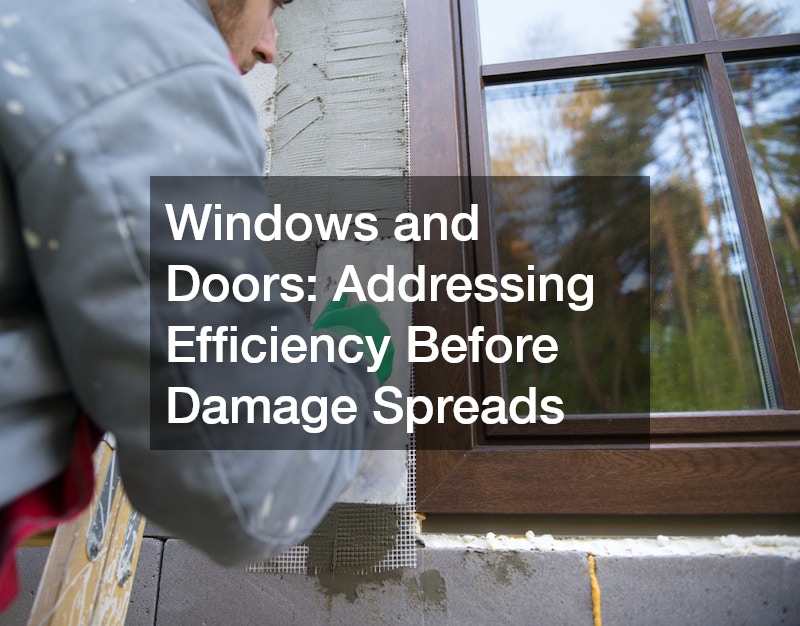
Windows and doors play a major role in insulation, security, and moisture control. Small problems in these areas can quietly affect comfort and energy costs long before visible damage appears.
Drafts, condensation between panes, and difficulty opening or closing are all early indicators that should not be ignored. These issues may point to failing seals, frame warping, or aging materials that no longer perform as intended. Left unaddressed, they can allow water intrusion, encourage mold growth, and place extra strain on heating and cooling systems.
Scheduling an evaluation with a window installation company allows homeowners to identify weaknesses early and explore targeted improvements rather than waiting for full replacements to become unavoidable. Improved window performance supports consistent indoor temperatures and reduces energy loss during extreme weather.
Doors deserve similar attention. Warped frames or worn weatherstripping may seem minor, but they often contribute to moisture penetration and security concerns. Addressing these components early helps protect both comfort and structural integrity.
Garage Systems: Preventing Safety and Access Issues
Garage doors are among the most frequently used moving components in a home. Over time, constant use naturally leads to wear. Small noises, delayed response times, or uneven movement are often early warning signs that parts are beginning to fail.
Routine inspections with local garage door services can catch worn springs, misaligned tracks, or aging openers before they create safety risks. A malfunctioning garage door can damage vehicles, restrict access, or cause injury if a failure occurs unexpectedly.
Garage systems also affect insulation and pest prevention. Gaps, damaged seals, or poor alignment allow drafts, moisture, and insects into the garage, which can then spread to adjacent living spaces. Early servicing helps maintain smooth operation while protecting the rest of the home.
Roofing: Catching Minor Wear Before Leaks Appear
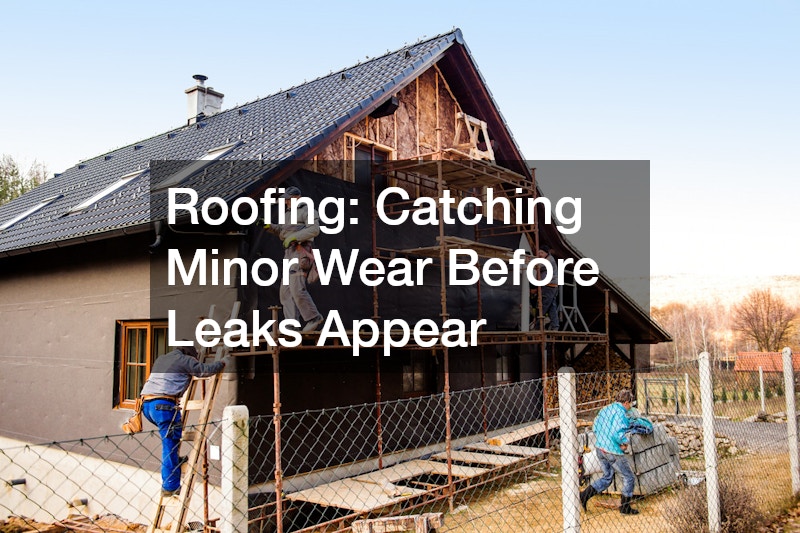
Roofing issues often remain hidden until interior damage becomes visible. Missing shingles, soft spots, and deteriorating flashing may go unnoticed from the ground, yet they can quickly lead to leaks once weather conditions intensify.
A professional inspection by a roofing company helps identify vulnerabilities early. Regular assessments are especially valuable after storms, high winds, or heavy snowfall, when minor damage can escalate rapidly.
Addressing roofing concerns early protects insulation, ceilings, and framing from moisture exposure. It also supports attic ventilation, which plays an important role in temperature regulation and moisture control throughout the house. Early repairs typically involve limited materials and labor, while delayed action often leads to more extensive and costly restoration.
Landscaping and Drainage: Managing Water Before It Causes Damage
Outdoor spaces do more than enhance curb appeal. They also play a critical role in directing water away from the home. Poor grading, compacted soil, and overgrown plants can all contribute to drainage problems that affect foundations and basements.
Consulting with a landscape nursery can help homeowners select plants and ground covers that promote proper water flow and soil stability. Thoughtful landscaping reduces erosion and helps prevent water from pooling near the structure.
Trees, shrubs, and hardscaping features should be evaluated regularly. When outdoor elements grow unchecked, they may interfere with underground utilities or push moisture toward vulnerable areas. Early planning balances aesthetics with long-term structural protection.

Flooring: Handling Early Wear Before Subfloors Are Affected
Flooring experiences daily stress from foot traffic, furniture movement, and environmental changes. Minor squeaks, surface wear, or uneven boards may appear cosmetic at first, but they often indicate deeper issues beneath the surface.
Professional assessments by flooring installers allow early detection of moisture intrusion, subfloor movement, or material fatigue. Addressing these concerns early helps avoid widespread damage that would require full replacement rather than targeted repair.
Different flooring materials respond differently to humidity and temperature changes. Hardwood may expand or contract, while tile can crack when underlying movement goes unchecked. Preventive care extends the lifespan of flooring and maintains safe, level walking surfaces.
Tree Management: Preventing Structural and Utility Damage
Trees add beauty and shade, but unmanaged growth can pose serious risks. Overhanging branches, weakened limbs, and expanding root systems often cause damage long before it becomes obvious.
Scheduling local tree removals or trimming services helps prevent branches from damaging roofs, siding, or power lines during storms. Root systems should also be monitored, as they can interfere with foundations, driveways, and underground plumbing.
Early tree management supports safety and reduces the likelihood of emergency removals, which are often more disruptive and costly. Planned care keeps outdoor spaces attractive while minimizing risk to the home.
Exterior Surfaces: Protecting Materials From Weather Exposure
Exterior finishes serve as the home’s first line of defense against the elements. Peeling paint, fading, or surface cracking may appear cosmetic, but they often signal compromised protection beneath.
Routine exterior painting services help seal materials against moisture and ultraviolet exposure. Early repainting prevents wood rot, metal corrosion, and siding deterioration that can spread when left untreated.
Maintaining exterior surfaces also preserves property value and curb appeal. A well-maintained exterior signals care and reduces the likelihood of hidden structural damage caused by prolonged exposure.
Decks and Outdoor Structures: Avoiding Safety Hazards
Decks endure constant exposure to weather, foot traffic, and structural stress. Loose boards, minor cracks, or fading finishes often precede more serious failures.
Regular maintenance from a deck service allows early identification of weakened supports, fastener corrosion, or moisture damage. Addressing these issues early reduces the risk of accidents and extends the usable life of outdoor living spaces.
Preventive care allows homeowners to enjoy decks safely throughout the year rather than facing sudden closures due to unsafe conditions discovered too late.
Pools: Maintaining Systems Before Small Leaks Expand
Pools rely on multiple interconnected systems that require proper sealing, circulation, and structural stability. Minor cracks, slow leaks, or inconsistent performance can worsen quietly over time.
Early evaluations by pool remodeling services help identify surface wear, plumbing issues, and outdated components before they lead to water loss or structural damage. Planned updates often improve efficiency and reduce long-term operating costs.
Addressing pool issues early also limits downtime and avoids peak-season disruptions, allowing homeowners to enjoy their investment without unexpected interruptions.
Pest Management: Stopping Infestations at the First Sign
Pests often enter homes through small gaps or weakened materials. Early signs may include droppings, unusual sounds, or minor damage to wood and insulation.
Routine pest control services help identify entry points and early infestations before they spread. Pests can damage wiring, insulation, and structural elements, turning a small issue into a major repair.
Early intervention limits health risks and reduces the need for extensive treatments, making preventive pest management a practical and cost-conscious choice.
Interior Systems: Watching for Subtle Performance Changes
Beyond visible surfaces, interior systems such as plumbing, electrical, and HVAC require consistent attention. Small performance changes often indicate developing problems.
Slow drains, flickering lights, or inconsistent temperatures may signal wear that can worsen without early service. Proactive inspections help maintain efficiency and reduce the risk of sudden system failures.
Routine evaluations allow homeowners to address issues gradually instead of dealing with disruptive breakdowns that interrupt daily routines.
Seasonal Scheduling: Timing Services for Maximum Benefit
The timing of home improvement services significantly affects their impact. Seasonal planning allows homeowners to address vulnerabilities before weather conditions intensify them.
Spring is ideal for exterior inspections, roofing checks, and landscaping adjustments. Summer supports outdoor projects and ventilation improvements. Fall focuses on weatherproofing and drainage preparation, while winter is often best for interior upgrades and system evaluations.
Aligning services with seasonal needs helps homeowners prioritize tasks logically and spread costs throughout the year.
Creating a Long-Term Home Maintenance Strategy
Rather than reacting to issues individually, a long-term maintenance strategy provides clarity and consistency. This approach involves tracking service histories, noting recurring concerns, and planning improvements in advance.
A maintenance calendar helps distribute tasks evenly and prevents overwhelm. It also provides documentation that can support insurance claims or future property sales.
A strategic plan transforms home improvement from a series of urgent reactions into a manageable long-term investment.
Budgeting for Preventive Improvements
Preventive services still require financial planning, but they are typically less expensive than emergency repairs. Setting aside a dedicated maintenance budget helps homeowners act promptly without hesitation.
Many homeowners allocate a small percentage of their home’s value annually to maintenance. This approach smooths expenses and reduces the shock of unexpected costs.
Planning ahead also allows prioritization, helping homeowners decide which services offer the most immediate benefit based on current conditions.
The Role of Professional Evaluations
Professional assessments offer insights that homeowners may miss. Trained specialists recognize early warning signs and understand how systems interact over time.
Scheduling professional evaluations periodically adds an extra layer of protection. It allows homeowners to make informed decisions based on expert observations rather than assumptions.
This collaborative approach supports smarter investments and more effective long-term planning.
How Proactive Care Supports Home Comfort
Early maintenance directly affects daily comfort. Addressing drafts, moisture issues, and system inefficiencies creates a more stable indoor environment.
Homes that receive regular care tend to maintain consistent temperatures, better air quality, and fewer disruptions. These benefits improve overall quality of life and enjoyment of the space.
Proactive improvement is not only about avoiding problems. It is about enhancing how a home feels and functions every day.
Reducing Stress Through Early Action
One of the most overlooked benefits of preventive home improvement is reduced stress. When homeowners know their property is well maintained, they worry less about sudden failures or costly surprises.
Early action allows time for research, planning, and thoughtful decision-making rather than rushed responses. This sense of control makes homeownership more rewarding and less overwhelming.
Consistent care builds confidence that the home can handle seasonal challenges and everyday use.
Scheduling Home Improvement Services
Small issues rarely remain minor when ignored. They compound over time, affect surrounding systems, and increase repair costs. By paying attention to early warning signs and scheduling targeted services proactively, homeowners protect both their investment and their peace of mind.
A thoughtful maintenance strategy balances timing, budget, and professional insight. It turns home improvement from a reactive necessity into a proactive advantage. With consistent care and early action, a home remains safe, comfortable, and dependable for years to come.