Exploring the colors favored by Benjamin Moore Paint Dealers not only enriches the knowledge of paint enthusiasts but also assists consumers and decorators in making informed decisions. With color playing a crucial role in setting the mood and enhancing the aesthetics of space, knowing dealers’ preferences can guide customers to trendy and lasting options. Additionally, appreciating the choices of experienced dealers offers insight into market dynamics and consumer inclinations.
What are the most popular colors sold by Benjamin Moore Paint Dealers?
Overview of Popular Colors
In recent years, popular colors among Benjamin Moore Paint Dealers include rich neutrals, such as “Edgecomb Gray” and “Revere Pewter,” appreciated for their versatility. These shades harmonize with various decor styles, making them favorites among homeowners striving for a sophisticated yet understated look. Moreover, warm whites and soft pastels are also gaining considerable momentum, appealing to those seeking a refreshing ambiance. As societal focus shifts towards wellness and tranquility, these colors provide visual comfort and a calming presence. Dealers’ selections often align with broader trends observed in fashion and other design industries, perpetuating their popularity.
Factors Influencing Popularity
The burgeoning popularity of certain colors is influenced by numerous factors, including media portrayals and celebrity endorsements. Home design shows and online platforms often showcase contemporary living spaces, indirectly steering consumer interest towards specific shades. Additionally, seasonal trends play a role, with hues inspired by nature—like earthy terracottas and serene blues—reflecting the current ecological awareness. Dealers also consider the psychological impact of colors, often selecting those that foster positive emotions and behaviors. Color trends also ebb and flow with cultural events and global happenings, affecting dealers’ inventory decisions.
Historical Trends in Color Popularity
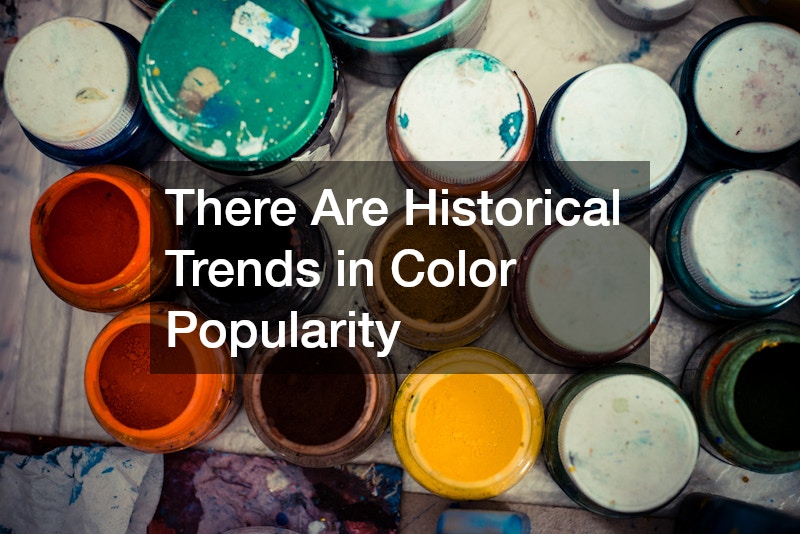
Historically, there has been a significant evolution in color preferences among paint dealers, mirroring shifts in cultural and stylistic movements. While the 1970s saw avocado greens and harvest golds dominate, the bold and saturated palette of the 1980s transitioned into the muted minimalism of the 1990s. The turn of the century embraced more dynamic and eclectic choices, with a resurgence of bold statements and vintage-inspired shades. By analyzing these trends, paint dealers can predict future preferences, preparing them to meet emerging demands. This historical perspective not only serves as a roadmap for dealers but also educates consumers on the cyclical nature of color popularity.
Regional Differences in Color Choices
Regional preferences often significantly impact the color choices that paint dealers highlight. For instance, coastal areas may lean towards nautical and airy tones like seafoam green and sandy beige, reflecting the natural surroundings. In contrast, urban centers may favor industrial greys and inky blacks, aligning with the metropolitan aesthetic. Local culture and climate also heavily influence color selections, necessitating dealers to customize offerings based on regional demographics. Understanding these geographic nuances allows dealers to remain competitive and caters to the unique tastes of their clientele.
Impact of Popular Colors on Sales
The popularity of certain colors has a pronounced impact on the sales figures of Benjamin Moore Paint Dealers. Frequently chosen paint colors tend to move faster from shelves, driving cyclical inventory turnover and bolstering sales. Trends towards eco-friendly and low-VOC paints have further supported dealer growth, as environmentally conscious colors meet consumer demands for health-conscious products. Moreover, as homes become sanctuaries for work, play, and rest, the desire to refresh spaces has seen an uptick in paint purchases. Dealers are strategically tapping into this demand by promoting colors that align with contemporary lifestyles and aspirations.
Why do Benjamin Moore Paint Dealers choose certain colors?
Color Psychology and Symbolism
Dealers often choose colors based on their psychological impact and the symbolism they carry. Calming shades like soft blues and greens are frequently recommended for spaces intended to promote relaxation, such as bedrooms and bathrooms. Conversely, energetic hues like red and orange may be chosen for stimulating atmospheres, ideal for kitchens or entertainment rooms. The power of color to influence mood and perception allows dealers to provide tailored recommendations to meet specific client desires. Moreover, the symbolism tied to colors—like green for growth and harmony or yellow for happiness—guides dealers in aligning offerings with positive emotional experiences.
Market Demands
Market demands significantly shape the color choices made by Benjamin Moore Paint Dealers. The growing movement for sustainable living has increased demand for eco-friendly colors, incorporating natural and non-toxic elements. Additionally, consumers’ desire for personalization and expression within their homes drives an eclectic mix of traditional and avant-garde choices. Dealers must balance the latest trends with classic hues that consistently perform well across demographics. This strategic approach ensures alignment with customer expectations while providing a diverse palette that meets diverse tastes and aspirations.
Trends Influencing Dealer Choices
Current design and lifestyle trends are powerful influencers in determining which colors dealers advocate for. With the rise of minimalism, muted and understated palettes are often at the forefront of dealer recommendations to align with sleek and simple interiors. The popularity of biophilic design has introduced organic and earthy colors, creating links between indoor spaces and the natural world. These trends extend beyond aesthetics, feeding into deeper societal movements prioritizing wellness and sustainability. Dealer selections are often a reflection of these broader cultural shifts, ensuring their offerings remain modern and relevant.
Seasonal Variations
Seasonal variations play a pivotal role in influencing the color choices offered by dealers. Spring and summer seasons often see a surge in the popularity of bright, airy colors that bring life and vibrancy to interior spaces. Conversely, winter and fall promote deeper, warmer colors that add coziness and comfort. Dealers respond to these fluctuations by adjusting their marketing strategies and inventory according to seasonal demand. This adaptability not only meets consumer expectations but also diminishes sales slumps typical of off-peak seasons, enhancing overall business sustainability.
Feedback from Professional Designers
Feedback from professional designers is a critical resource that Benjamin Moore Paint Dealers rely on when choosing colors. Designers often have firsthand insights into emerging trends and consumer preferences, acting as market pulse-givers. Their feedback provides dealers with authoritative perspectives that align color selections with current design sensibilities. By collaborating with industry experts, dealers receive valuable recommendations that enhance both aesthetic and functional qualities of their offerings. This partnership cultivates innovation and creativity, as dealers integrate professional insights into their strategic planning.
How do Benjamin Moore Paint Dealers keep up with color trends?
Research and Development
Research and development play a crucial role in keeping Benjamin Moore Paint Dealers abreast of the latest color trends. Continuous experimentation with pigments, finishes, and sustainable materials ensures dealers stay ahead of industry shifts. These efforts facilitate the launch of new collections that resonate with evolving tastes and technological advancements. Through rigorous testing and analysis, dealers are equipped to predict trends and guide customer choices towards innovative and high-performing products. This relentless pursuit of knowledge positions dealers as authorities in both color expertise and product quality.
Collaboration with Designers
Collaborating with designers is a strategic avenue through which Benjamin Moore Paint Dealers stay connected to the pulse of current trends. These partnerships foster exchange of ideas and bring fresh perspectives on style and practicality. Designers’ insights into client preferences and design challenges inform dealers, ensuring offerings are both aesthetically pleasing and functionally robust. Joint product development initiatives further enhance these collaborations, resulting in curated color palettes that reflect shared vision and creativity. By aligning with designers, dealers not only bolster innovation but also build brand credibility.
Attending Trend Shows and Exhibitions
Participation in trend shows and exhibitions offers dealers an immersive platform to engage with industry innovations. These events provide exposure to upcoming color palettes, technological advances, and shifts in consumer preferences. Attending these forums not only informs stock decisions but also enhances dealers’ understanding of competitive landscapes. Trend shows serve as networking hubs, connecting dealers with other industry stakeholders for golden opportunities in collaboration and growth. Ultimately, these experiences enable dealers to maintain cutting-edge offerings aligning with global design ethos.
Customer Feedback and Surveys
Gathering customer feedback through surveys is an impactful method for dealers to stay informed about trends. Direct insights from end-users about their preferences and experiences aid in aligning products with market demand. Surveys help identify shifting desires, uncovering trends that may not yet be mainstream but show potential for growth. This approach allows dealers to proactively adapt inventories, creating a sense of consumer-centricity in their offerings. The ability to attentively listen and respond to customers distinguishes successful dealers in the competitive paint industry.
Social Media and Online Presence
The role of social media and an online presence in trend awareness cannot be overstated, serving as powerful tools for dealers. Platforms like Instagram and Pinterest act as virtual showcases for inspiration and emerging styles. Social listening techniques provide analytics that reflect real-time consumer sentiments, enabling agile adjustments in dealer strategies. Engaging with online communities, dealers can explore innovative ways to display colors and capitalize on viral content. This digital engagement allows for broader outreach and continuous interaction with a diversity of consumer bases.
What influences a dealer’s color recommendation?
Customer Preferences and Needs
A deep understanding of customer preferences and needs is paramount when dealers recommend colors. Clients often have specific visions or inspirations drawn from various sources like magazines or online platforms. Tailoring solutions that honor these desires while adding expert guidance fulfills a dual role of customer satisfaction and professional advisory. Dealers might propose alternative hues that enhance the intended aesthetic while considering practical aspects of application and maintenance. This personalized approach fortifies relationships and grows customer loyalty, fostering a positive reputation for the dealer’s brand.
Compatibility with Existing Decor
Compatibility with existing decor is a significant consideration affecting color recommendations offered by dealers. Ensuring harmony between chosen colors and existing furnishings requires adept color coordination skills and understanding of spatial dynamics. Dealers use their expertise to propose shades that seamlessly integrate with and enhance clients’ interiors, without overwhelming existing elements. This attention to cohesive design highlights the value of professional advice in creating aesthetically pleasing environments. Successfully achieving this balance reinforces the dealer’s role as an indispensible partner in home improvement projects.
Durability and Finish Considerations
Considerations of durability and finish are critical in shaping color recommendations. Different finishes—be it matte, eggshell, or gloss—offer varied resilience and impact visual texture of painted surfaces. High-traffic areas demand more durable coatings that resist wear and tear, influencing color suitability based on specific room functions. Additionally, finishes amplify or soften color perceptions, leading to strategic choices in achieving the desired effect. Factoring durability ensures long-lasting satisfaction, enhancing the overall value proposition of dealer recommendations.
Dealer Experience and Expertise
The experience and expertise of dealers significantly affect the recommendations they provide. Years of industry exposure allow dealers to discern subtle nuances in color impacts and application outcomes. This extensive knowledge empowers dealers to anticipate challenges and empower clients through proactive solutions. Engaging with dealers offers customers an educational journey, deepening their understanding of color dynamics and enhancing confidence in selections. Expertise fosters a trust-based relationship, facilitating seamless decision-making processes for customers.
Product Availability and Supply Chain
Product availability and the efficiency of supply chain heavily influence the colors that dealers frequently recommend. Certain shades may be in higher demand or face delays due to logistical constraints, requiring dealers to adapt their offerings dynamically. Close collaboration with suppliers enables dealers to maintain consistent access to popular and trending colors. This agility ensures readiness in fulfilling orders and sustaining customer satisfaction even amidst fluctuating inventory levels. A robust supply chain fortifies dealer responsiveness, reinforcing their reputation as reliable and dependable partners.
What are the best-selling colors among Benjamin Moore Paint Dealers?
Most Purchased Neutrals
Neutrals remain an enduring favorite among consumers, with tones like “Classic Gray” and “White Dove” frequently topping sales charts. Their indisputable versatility makes them appealing choices for any room or style, guaranteeing timelessness. These shades provide a dependable backdrop to bold accents or dynamic artworks, making them adaptable to diverse design schemes. Additionally, the light-reflecting attributes of neutrals enhance spatial perception and contribute to an inviting atmosphere. Emphasizing these attributes in marketing helps dealers maintain their position as key suppliers in the home decor market.
Top Bold and Vibrant Choices
Bold and vibrant colors offer a striking alternative, appealing to consumers looking to make a memorable statement. Colors such as “Caliente” (a fiery red) and “Admiral Blue” add drama and depth, personalizing spaces in unforgettable ways. Dealers often observe an uptick in these colors during periods of design renewal or renovation, where clients seek to inject fresh energy into their homes. Strategic display of these hues equips dealers with creative options for those with adventurous tastes. By contrasting bold colors with more subdued elements, dealers assist clients in achieving well-balanced and visually exciting environments.
Historical Best-Sellers
Historic best-sellers in the Benjamin Moore paint line exemplify shades that have stood the test of time, appealing across generations. Hues like “Smoke Ember” and “Hancock Green” attract enduring popularity due to their understated elegance and versatility. These colors often evoke nostalgia, connecting consumers to past design eras while fitting comfortably into contemporary settings. Dealers use historical best-sellers to combine tradition with modernity, crafting stories that resonate on both personal and cultural levels. Timeless colors become anchor points in home designs, assuring clients of enduring satisfaction.
Special Edition and Limited-Time Offers
Special editions and limited-time offers often stir excitement and boost sales among Benjamin Moore Paint Dealers. Exclusivity drives demand, as collectors and enthusiasts vie to obtain these unique hues that are unlikely to be restocked. These offerings are frequently timed with design events, industry anniversaries, or seasonal transitions, aligning product launches with targeted consumer interest. Leveraging special editions creates a sense of urgency, encouraging immediate purchases and expanding customer engagement. Dealers capitalize on this by crafting enticing narratives around these rare finds, bolstering brand differentiation.
Year-over-Year Sales Comparison
Performing year-over-year sales comparisons enables dealers to identify trends and make data-driven decisions in color inventory. Assessing sales volume shifts reveals consumer preferences and economic influences that dictate paint-purchasing behaviors. Dealers utilize this information to refine their strategies, emphasizing high performers while adjusting marketing for under-indexing shades. Yearly sales insights guide future forecasts, ensuring alignment with market trajectories and maintaining competitive advantage. Dealers’ ability to anticipate and respond to sales patterns solidifies their reputation as agile and informed market leaders.
In conclusion, understanding the favorite colors of Benjamin Moore Paint Dealers offers a rich canvas for exploring consumer preferences and industry trends. It reveals not only aesthetic choices but also underlying psychological, cultural, and economic factors driving these decisions. By analyzing these preferences, decorators and consumers alike gain valuable insights into creating spaces that are both beautiful and reflective of current inspirations. The ongoing exchange between dealers and designers, coupled with market responsiveness, ensures that the palette continues to evolve in exciting and meaningful directions. Ultimately, these insights underscore the importance of engaging with expert dealers who offer not only products but also guidance and creativity.