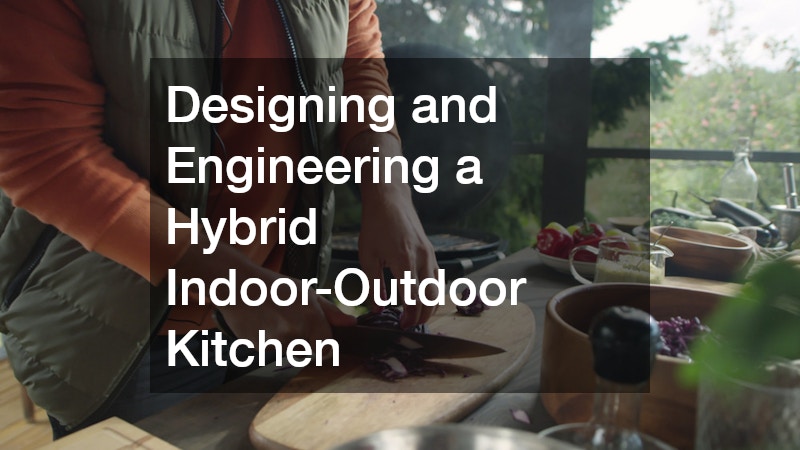
The modern culinary landscape has expanded far beyond the traditional boundaries of four drywall segments. Homeowners are increasingly moving away from basic backyard patios equipped with standalone grills, choosing instead to invest in high-performance hybrid spaces that seamlessly merge internal living areas with open-air freedom. The goal of a true hybrid kitchen is to create a singular, unified ecosystem where a host can prepare a meal, converse with guests, and move fluidly between environments without experiencing any disruption in comfort, utility, or visual style.
Achieving this seamless integration, however, presents a significant architectural challenge. It requires a precise combination of aesthetic vision and rigorous structural engineering to ensure the space remains highly functional during a summer storm or a freezing winter night. By approaching the project through a systematic framework—spanning structural framing, climate defense, electrical systems, plumbing, and material durability—you can establish a stunning, resilient venue that elevates your home’s value and redefines your hosting experience.
Creating Wide-Span Structural Openings Without Sagging Headers
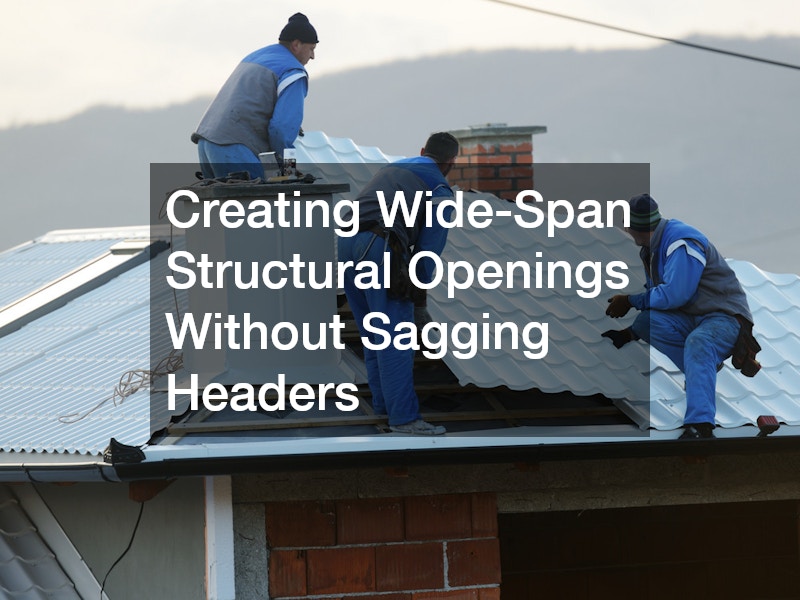
To achieve an uninterrupted flow between spaces, you must replace large sections of your exterior load-bearing walls with wide-span opening systems, such as multi-slide or bi-fold doors. Because these installations can stretch across spans of fifteen to thirty feet, standard dimensional lumber headers are entirely insufficient to support the weight above them.
- Engineered Support Systems: You must utilize heavy-duty engineered lumber, such as laminated veneer lumber beams, or structural steel I-beams. These materials resist sagging over time, preventing the frame from compressing and jamming your expensive door tracks.
- Flush Threshold Alignment: True indoor-outdoor continuity requires a completely flat floor transition. This means the bottom track of your door system must be recessed into the subfloor, demanding careful planning during the framing stage to ensure the interior flooring meets the exterior decking perfectly without creating a tripping hazard.
- Water Management at the Boundary: Recessing a door track creates a natural collection point for water. The framing must incorporate a sub-track drainage system connected to a dedicated weep line to redirect wind-driven rain away from your interior subfloor.
- Deflection Minimization: Structural engineers must calculate the exact expected deflection of the upper floor or roof under maximum snow or furniture loads to guarantee the opening system never binds under weight shifts.
Navigating Permits and Zoning for Footprint Extensions
Expanding your kitchen footprint toward the backyard isn’t just a design choice; it is a major structural alteration that alters your property’s footprint and changes how your home interacts with your local environment.
- Zoning Compliance: Before finalized drawings are rendered, you must review local setback requirements, easement restrictions, and total impervious surface allowances. Exceeding these limits can result in costly project delays or forced revisions.
- Professional Structural Oversight: Because these changes alter the core load-bearing skeleton of your property, it is crucial to partner with a licensed home addition contractor who understands how to manage foundation excavations, poured concrete footings, and structural engineering compliance.
- Roof Integration Techniques: Extending your roofline to create a protective overhang requires precise tie-ins to the existing structure. It is necessary to coordinate this phase with an experienced roofing company to ensure that the new valleys, flashing, and roofing materials blend perfectly with your current roof, preventing any future water intrusion or pooling issues where the structures meet.
- Soil Load-Bearing Assessment: Prior to pouring extended foundation footings, soil density testing must be executed to ensure the earth can support the combined dead and live weight of heavy masonry cooking stations.
Creating Microclimates with Strategic Overhangs and Heaters
Managing comfort in an open-air environment requires creating a controlled microclimate that counters intense summer heat and crisp autumn chill.
- Solar Geometry and Overhang Depth: The depth and angle of your overhead structures should be designed based on your geographic location’s solar path. The roof should block the harsh, high-angle sun of July while permitting low-angle winter sunlight to penetrate and naturally warm the space.
- Supplemental Thermal Management: To combat ambient chill, you can integrate flush-mounted, high-output shortwave infrared heaters directly into the ceiling panels. Unlike traditional gas heaters that warm the air—which easily blows away—infrared heat directly warms the bodies and surfaces beneath it.
- Circulation and Air Movement: Heavy-duty, damp-rated outdoor ceiling fans should be positioned directly over seating and cooking zones to maintain consistent air movement, which breaks up stagnant pockets of hot air and deters flying insects.
- Strategic Windbreaks: Integrating architectural wing walls or heavy-duty frosted glass panels along prevailing wind directions significantly reduces convective heat loss during shoulder-season dining.
Defending Against Intruders: Wind, Rain, and Pests
When the barrier between inside and outside is removed, your home is exposed to airborne pests and sudden shifts in weather. Protecting the structural interior requires reliable, automated defense mechanisms.
- Automated Pest Barriers: To enjoy a breeze without dealing with local insects, many homeowners utilize motorized retractable screens that drop down along the perimeter of the covered porch at the touch of a button, sealing the space completely when required.
- Managing Internal Air Pressure: Opening a massive wall system completely disrupts your home’s internal air distribution. To prevent drafts, whistling vents, or energy loss, your indoor spaces should be managed by a high efficiency hvac system designed with balanced makeup air capabilities to regulate pressure differences automatically.
- Weatherproofing High-Traffic Thresholds: All exterior tracks must feature premium silicone bulb seals and heavy-duty interlocks to ensure that when the glass walls are fully closed, the home maintains a tight, energy-efficient seal against wind and moisture.
- Interlocking Track Drainage: High-velocity wind zones require interlocking step-down track profiles that channel driven rain downward into subsurface drainage tubes rather than letting it bypass the weather stripping.
Designing Safe, Weatherproof Outdoor Power Centers
Water and electricity are a dangerous combination. Engineering an outdoor power distribution layout requires strict adherence to safety codes and advanced hardware selection.
- Dedicated Ground-Fault Protection: Every single outlet, switch, and appliance circuit in the outdoor zone must be protected by a dedicated ground-fault circuit interrupter breaker located inside the main electrical panel to eliminate the risk of shock from moisture buildup.
- In-Use Weatherproof Enclosures: Standard flip-cover outlets are insufficient for a kitchen environment. Outlets must feature heavy-duty, deep-box enclosures that remain fully sealed even when cords are plugged into them, protecting the connection from rain or accidental spills.
- Layered Lighting Control: The space should feature three distinct lighting zones: bright, directional task lighting over cooking surfaces; soft, dimmable ambient lighting under countertops and within architectural trim; and path lighting along walkways for safety.
- Corrosion-Resistant Conduit Systems: All underground and exposed exterior wiring lines must be encased in schedule 80 PVC or rigid liquid-tight conduit to completely isolate conductors from subsurface soil moisture and atmospheric salt.
Managing the Power Demands of Heavy-Duty Culinary Appliances
The energy demands of a hybrid kitchen can easily overwhelm a standard residential electrical infrastructure if they are not calculated correctly during the initial planning stages.
- Amperage Load Calculations: Dedicated outdoor appliances—such as rapid-recovery ice makers, specialized beverage centers, high-BTU rotisserie motors, and warming drawers—collectively pull a massive amount of power that requires strategic distribution.
- Subpanel Infrastructure Installation: To prevent tripping main breakers inside the house, it is vital to employ a certified electrician service to calculate your total electrical load and install a dedicated, weatherproof subpanel directly in the outdoor kitchen zone.
- Fuel Supply Configuration: High-performance gas grills and power burners require a steady, high-pressure fuel source. If natural gas lines are unavailable, you must plan for the safe integration of home propane tanks, ensuring they are positioned at proper distances from windows, doors, and ignition points according to local fire safety standards.
- Manifold Gas Sizing: Calculating the correct pipe diameter for long gas manifold runs is essential to prevent pressure drops when a 100,000 BTU grill and a high-output side burner are lit simultaneously.
Gravity-Fed Drainage and Freeze-Proof Supply Lines

Getting water to an outdoor sink is relatively straightforward, but removing that water and protecting the supply lines from freezing temperatures requires smart mechanical engineering.
- Calculating Drainage Slope: Because outdoor kitchens are often built on concrete slabs that sit lower than the interior floor, achieving the necessary gravity-fed slope for waste lines can be difficult. The plumbing must be engineered with the correct drop per foot to tie properly into the home’s main waste stack.
- Ejector Pump Integration: If your backyard slope makes gravity drainage impossible, a sealed, outdoor-rated graywater ejector pump system must be installed to pump wastewater up and back into the main residential drainage system.
- Seasonal Winterization Architecture: To protect pipes from bursting in cold climates, the main water supply lines must feature low-point drain valves and shutoffs located deep within the heated envelope of the indoor home. This allows you to completely isolate and blow out the outdoor plumbing lines before the first hard freeze.
- Compressed Air Ports: Incorporating an inline air schrader valve next to the indoor shutoff enables homeowners to safely purge microscopic water droplets out of exterior fixtures using a standard air compressor.
Responsible Waste and Grease Management for Outdoor Grills
Outdoor cooking often generates significantly more grease and heavy food waste than indoor cooking, creating a unique set of challenges for local drainage networks.
- Environmental Drainage Compliance: You must never allow outdoor sink water to drain directly into a backyard storm drain or onto open soil. All graywater must be routed directly into your home’s sanitary sewer system to comply with environmental regulations.
- Professional System Evaluation: Navigating these strict municipal sewer codes and balancing water pressure over long distances requires the help of a professional plumbing service during the early design phases to map out optimal pipe routes.
- Heavy Grease Filtration: If your hybrid space features high-output cooking equipment like commercial-grade flat-tops, wood-fired pizzerias, or large smokers, working with a specialized grease trap company is highly recommended to install an inline interceptor that catches oils and solids before they can clog your residential lines or breach municipal limits.
- Vent Stack Optimization: Outdoor waste lines require dedicated architectural venting configurations located far from active dining and seating areas to prevent sewer gases from pooling on windless days.
Specifying Weatherproof Marine-Grade Frameworks
Standard plywood or medium-density fiberboard cabinetry will quickly warp, swell, and rot when exposed to outdoor humidity, making high-performance alternative materials absolutely mandatory.
- High-Density Polyethylene Construction: Cabinet boxes constructed from solid high-density polyethylene are completely impervious to water, salt spray, and chemicals. These panels will never delaminate or rot, and they can be hosed out directly for easy cleaning.
- Marine-Grade Stainless Steel: For a modern look, cabinetry built from 316 marine-grade stainless steel offers superior corrosion resistance compared to standard 304 steel, making it ideal for coastal regions or high-humidity environments.
- Thermal-Shock Resistant Countertops: Avoid using natural granites with heavy veining or engineered quartz outdoors, as UV rays will discolor the resins, and extreme heat can crack the stone. Instead, opt for ultra-compact surfaces or sintered stones, which are created under immense heat and pressure to be entirely UV-stable and thermal-shock proof.
- Gasketed Cabinet Door Seals: Utilizing automotive-grade rubber gaskets around cabinet door perimeters keeps seasonal dust, pollen, and crawling pests away from stored dinnerware.
Designing Cohesive Indoor-Outdoor Storage Flow

A great hybrid kitchen design ensures that the indoor and outdoor zones function as a single, coordinated workspace rather than two separate areas.
- Visual Alignment: Choose cabinet door styles, color palettes, and hardware finishes that mirror your interior kitchen design, establishing a unified visual narrative across the threshold.
- Pass-Through Functionality: Incorporating thoughtful cabinet design elements—such as a continuous countertop that extends from the inside to the outside via a flip-up window—creates a functional pass-through station that streamlines food prep and serving.
- Advanced Glazing Solutions: The large glass windows and doors used to link these spaces must feature dual or triple-pane tempered glass with low-emissivity coatings to block heat transfer. If a backyard accident or thermal stress crack ever compromises this barrier, securing a fast residential glass replacement is essential to restore your home’s energy efficiency and security.
- Mobile Prep Station Integration: Engineering an under-counter garage recess that houses a rolling, material-matched prep cart makes transferring bulky cooking ingredients across zones effortless.
Engineering a hybrid indoor-outdoor kitchen is a complex but immensely rewarding project that goes far beyond selecting premium appliances and beautiful finishes. True success depends on the invisible infrastructure beneath the surface—the structural beams supporting the open spans, the balanced mechanical systems managing air pressure, the safe distribution of high-amperage power, and the resilient plumbing networks designed to withstand the seasons.
By prioritizing these foundational engineering requirements and collaborating with experienced specialists throughout the planning and installation phases, you can transform your backyard into an elegant, high-performance extension of your home. The result is a durable, year-round culinary venue that provides a flawless transition between indoor comfort and outdoor ambiance for decades to come.